

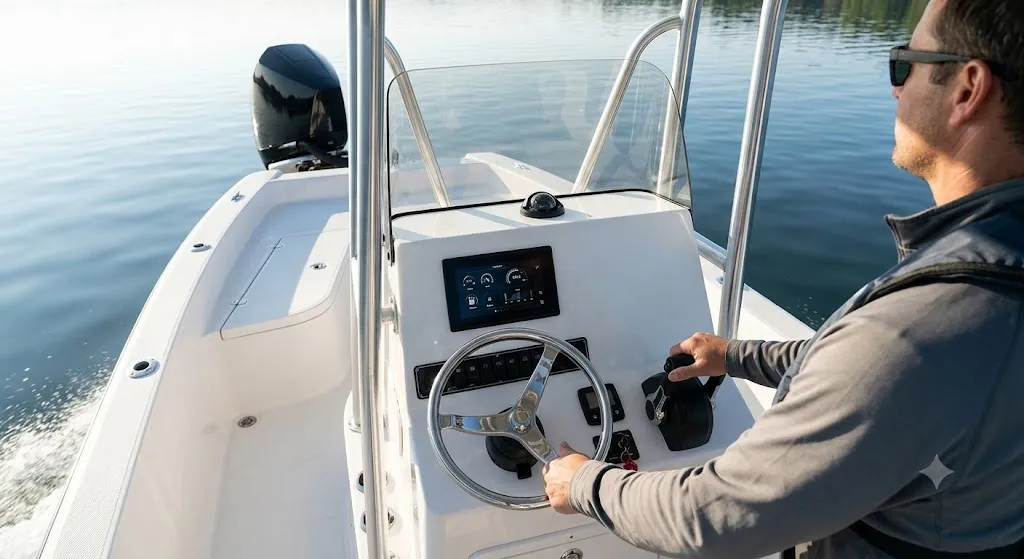
Fuel is one of the highest running costs of boating, and it is also one of the most controllable. Small changes in how you drive, load, and maintain your boat can add up to meaningful savings over a season. As you compare outboard motors for sale, remember that smart habits matter as much as the engine itself.
Find Your Sweet Spot Speed
Every boat has a speed range where it travels efficiently, usually somewhere above plane but well below wide-open throttle. Pushing beyond it burns fuel disproportionately for only a small gain in speed. This simple test costs a little fuel now and saves much more later.
Experiment on a calm day. Note your speed and fuel flow at different throttle positions, then settle on a comfortable cruising setting. Even a small reduction in speed can extend range by a surprising margin. Slow, steady driving often feels more relaxing as well as cheaper. Try it once, and the results speak for themselves.
Keep the Hull Clean
Marine growth and rough bottom surfaces create drag that forces the engine to work harder. A clean hull slips through the water with less effort, which means lower fuel consumption at the same speed.
Scrub the bottom regularly if the boat lives in the water, and wash and wax trailered boats. A smooth, polished hull is both attractive and economical, so the effort is rewarded in multiple ways. Antifouling paint can also help if the boat stays in the water for long periods.
Lighten the Load
Extra weight forces the engine to push harder every minute. Take a quick look at what you carry regularly: old gear, extra water, forgotten tools, heavy coolers. Remove whatever you do not truly need. Many boaters are shocked by how much gear they carry without realizing it.
Distributing weight evenly also helps. A balanced boat planes sooner and runs flatter, reducing the effort required from the engine and making the ride noticeably smoother for everybody aboard. Less weight means a quieter, happier engine at every speed.
Trim and Propeller Setup
Correct trim lets the hull ride at its ideal angle. Too much bow-up or bow-down increases resistance. Learn how your boat responds, and adjust trim as speed or load changes during the day. Small tweaks like this can quietly cut your fuel bill without any extra spending.
The right propeller makes a big difference as well. If the engine cannot reach the recommended RPM range at full throttle, the prop may be mismatched, and fuel is quietly being wasted on every outing.
Choose an Efficient Engine
Modern designs squeeze much more power from each drop of fuel than older units. A fresh Mercury outboard with current injection technology often delivers noticeable savings compared with decades-old models of similar output.
Consider the long game when comparing prices. A slightly more expensive engine that sips fuel can cost less over five seasons, especially for owners who boat frequently and cover long distances. Compare the published efficiency figures of several models honestly before you decide.
Maintain for Efficiency
Dirty filters, fouled spark plugs, and old fuel all reduce combustion efficiency. A tuned engine runs cleaner and uses less gasoline, so routine maintenance is essentially a money-saving exercise rather than a chore. Never underestimate the value of a clean, well-timed tune-up.
Check fuel lines and connections for leaks as well. Even small drips waste money and create safety hazards. Quick inspections before each trip take only a minute and can prevent bigger problems. Treat servicing as an investment that returns money in every tank.
Track Your Numbers
What you measure, you can improve. Keep a notebook or phone note recording fuel added, hours run, and distance traveled. Over several outings, patterns appear that no gauge alone can reveal.
If consumption suddenly rises, something has changed: a fouled prop, a dirty hull, or an engine issue. Early warning from your own numbers lets you fix the problem before it grows into something costly. Smart planning turns an ordinary trip into an efficient one.
Conclusion
Choose routes that avoid strong headwinds and heavy chop when possible. Traveling with the current and in calmer water saves energy, and it makes the whole journey more comfortable for passengers.
Combine errands and gather the group together instead of making several short runs. Fewer starts, fewer idle periods, and steady cruising all keep consumption lower and make every gallon work harder.